How each composition comes to exist.
The Elaro methodology is a four-stage process: research review, supplier identification, formulation development, and independent batch verification. Each stage is documented. None is abbreviated.
Research Review
Each ingredient under consideration is assessed against published nutritional literature. The primary question is not whether the ingredient is commercially popular, but whether its contribution to specific physiological processes is documented in peer-reviewed research.
For each nutrient in the Elaro range, a research summary identifies the primary documented roles, the reference intake values used as formulation targets, and the bioavailability considerations relevant to the specific compound form selected. These summaries are retained as internal reference documents and updated annually.

Supplier Identification
Active ingredients are sourced from documented suppliers with each batch accompanied by a certificate of composition. Sourcing prioritises suppliers whose facilities maintain food-grade processing standards and whose supply chains include documentation of origin.
For plant-based extracts, sourcing takes into account regional agricultural context, seasonal availability, and the extraction method used. Elaro does not use anonymous commodity pools. Each supplier is named in internal sourcing records, audited at onboarding, and reviewed annually.

Formulation Development
Formulation decisions balance three considerations: the documented nutritional role of the ingredient, the concentration required to achieve a meaningful contribution relative to reference intake values, and the compatibility of the ingredient with others in the same composition.
Elaro compositions are intentionally narrow in scope — fewer ingredients at meaningful concentrations rather than a longer list at nominal levels. Each formulation has gone through a minimum of two revision cycles before entering production, with concentration adjustments made in response to preliminary batch analysis results.

Batch Verification
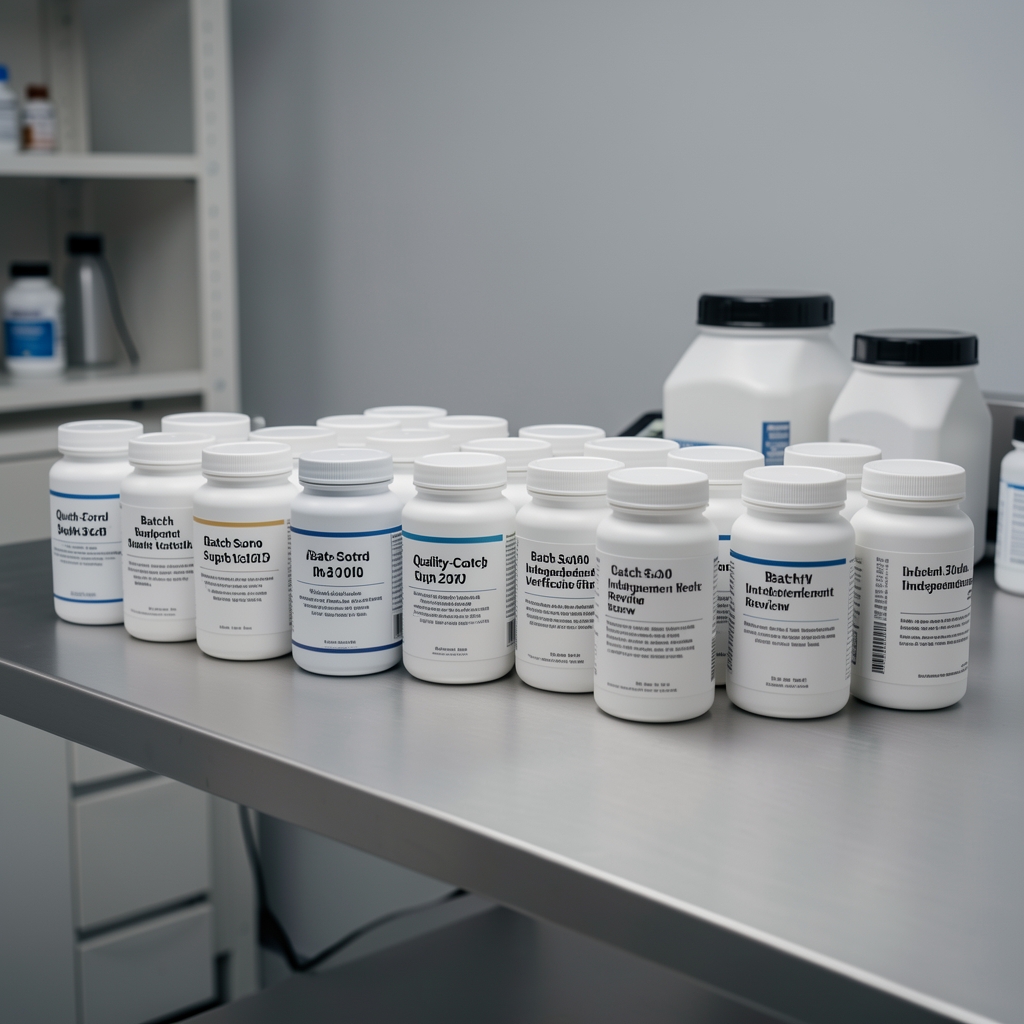
Each production run undergoes independent third-party verification. The assessment covers elemental concentration, labelling accuracy, and — where applicable — dissolution profile. Results are recorded against the batch code printed on each unit.
Where batch results fall outside stated tolerance, the batch is not released for distribution. The verification programme currently uses two independent facilities to provide comparative assessment. Verification reports are available to customers upon request via the contact page.
How Elaro communicates about nutrients.
Every nutrient role described across Elaro's materials corresponds to a well-documented nutritional function. Descriptions do not extend beyond the established evidence. Where research is more provisional than established, this is noted rather than omitted.
Elaro does not construct marketing language around nutrient functions. The same descriptions used in the product labels appear in the editorial materials — not a simplified version for the public and a more cautious version for internal review.
Elaro is an independent wellness resource focused on everyday nutrition and active lifestyle practices for men. The content is not affiliated with any governmental or institutional body.
Where the ingredients come from.
Regionally Verified Sources
Zinc and magnesium compounds are sourced from suppliers operating food-grade facilities with documented chain-of-custody. Each raw material delivery is accompanied by an elemental analysis certificate confirming concentration within specification.
Seasonally Reviewed Suppliers
Plant-based ingredients — including the CoQ10 used in Elaro Endure — are sourced with attention to regional agricultural conditions and extraction methods. Seasonal variation is documented in annual sourcing reviews, with adjustments made where necessary.
Stability-Tested Forms
Fat-soluble vitamins (D3) and water-soluble vitamins (B12, C) are sourced in forms selected for shelf stability and documented bioavailability. The compound form of each vitamin is stated on the product label and cross-referenced in batch verification reports.
Primary research categories informing formulation.
Nutritional Reference Values — WHO and EFSA
Reference intake values for all Elaro ingredients are drawn from WHO dietary guidelines and EFSA nutrient reference values. These are reviewed during each annual formulation assessment to account for any updated recommendations.
Physical Activity and Mineral Requirements
Published research on magnesium and zinc requirements in physically active adult men informs the concentration decisions for Foundation and Restore. Studies examining mineral loss through perspiration and the relationship between training load and micronutrient needs are reviewed during formulation development.
Bioavailability of Compound Forms
The selection of compound forms — magnesium glycinate versus oxide, for example — is informed by published bioavailability data. The form selected is not always the least expensive; where evidence supports a more bioavailable form, that form is used.
Tropical Climate Nutritional Context
Formulation for an Indonesian user base takes into account the nutritional context of tropical climate living: variable sun exposure influencing vitamin D status, dietary patterns that may not reliably cover zinc and magnesium needs, and the hydration and electrolyte considerations of active living in a warm environment.
Elaro is an independent wellness resource focused on everyday nutrition and active lifestyle practices for men. The content is not affiliated with any governmental or institutional body.
We recommend speaking with a qualified wellness or nutrition professional before introducing any supplement to your daily routine, particularly if you have specific dietary requirements.